
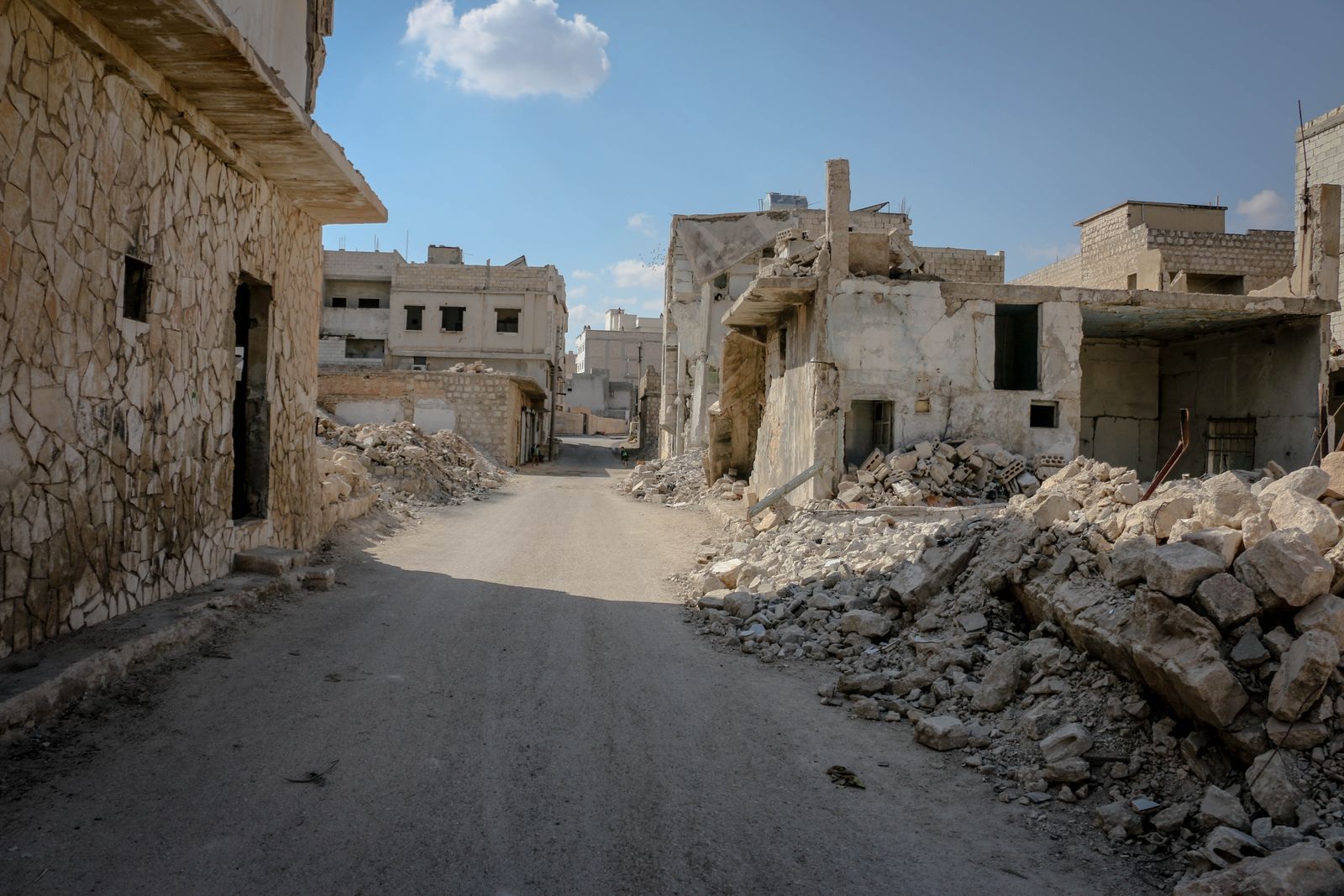
Thirty years is a long time. Long enough for a generation to grow up with no direct memory of the fighting but still carry inside the inheritance it left.
The war in Bosnia and Herzegovina ran from 1992 to 1995 and claimed an estimated 100,000 lives. The Srebrenica massacre, the systematic killing of approximately 8,000 Bosniak Muslim men and boys by Bosnian Serb forces in July 1995, was ruled a genocide by the International Court of Justice in 2007. It remains the worst act of mass violence on European soil since the Second World War.
The Architecture of Division
One of the most consequential legacies of the Dayton Peace Agreement is the political structure it produced. In attempting to end the war, Dayton institutionalised the ethnic divisions that the war had created. Bosnia is now governed by three constituent peoples within a system of ethnic rotation and parallel institutions that has, over three decades, calcified rather than healed.
The education system reflects this with extraordinary consistency. In Bosnia today, there are schools in which Bosniak, Croat and Serb children attend separate lessons in the same building, using different curricula and different textbooks, written in what are linguistically mutually intelligible dialects of the same language.
What children learn about the war depends on the ethnicity they are categorised as. A Bosniak child and a Serb child growing up in the same town may graduate with incompatible accounts of what happened between 1992 and 1995.
What Survives in the Body
In Sarajevo, the city that endured the longest siege of a capital in the history of modern warfare at 1,425 days, the marks of sniper fire are still visible on building facades. The Srebrenica memorial at Potočari is still receiving remains. As DNA identification technology has advanced, the process of returning the dead to their families has continued for years beyond the fighting's end.
Across the country, thousands of unexploded landmines remain in rural areas. Bosnia is one of the most heavily mine-contaminated countries in Europe. Clearance operations continue and every year brings injuries and fatalities.
Research on intergenerational trauma in post-conflict communities consistently finds elevated rates of depression and post-traumatic stress among the children and grandchildren of survivors, transmitted through family silences.
A Country Still Negotiating its Story
Denial remains a political force in Bosnia. There are elected officials in Republika Srpska who have publicly questioned the genocide ruling, despite the judgments of two international courts. The annual commemoration at Potočari is contested.
Bosnia offers something perhaps more valuable than a redemption arc: a clear account of what happens when justice and truth-telling are deferred and what that deferral costs across generations.