
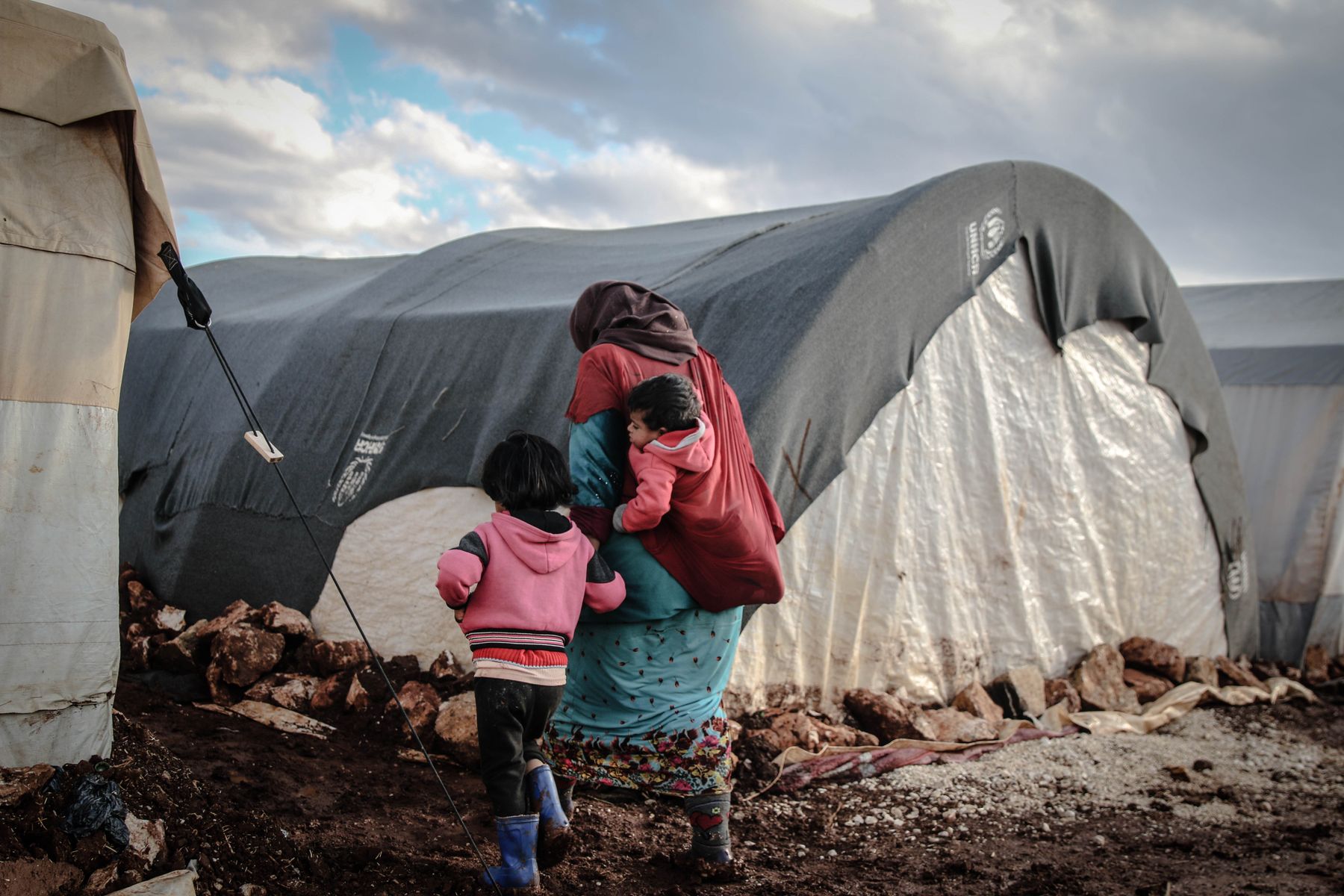
Picture two people in the same debrief circle after a VR episode set in Gaza. One lost a relative in the October 2023 attacks. The other's family fled the bombardment of Rafah. They are sitting three chairs apart and the facilitator has just asked: "What did you notice?"
Conflict education has long wrestled with a version of the same problem: the attempt to present perspectives in a way that inadvertently flattens them. Presenting both sides of a conflict without acknowledging the asymmetry is a kind of distortion.
At the same time, facilitated dialogue spaces that allow one narrative to dominate do not serve anyone. Not the person speaking and not the group listening.
The facilitator's task is not balance. It is precision. What specifically are we trying to understand in this room, right now?
What Trained Facilitators Do Differently
There is a meaningful difference between a facilitated dialogue and a structured argument. In a structured argument, each party defends a position. In a dialogue, each party is asked to describe an experience or an observation.
The shift from position to experience matters. When a participant says "they were wrong to do that," a facilitator might ask: "What did that look like for the people on the ground? What do you imagine their morning was?" The question contextualises the moral judgment and in contextualising it, often deepens it.
Earth Rooted's facilitator training draws on contact hypothesis research, the body of evidence examining what conditions allow interaction between groups in conflict to reduce rather than entrench prejudice. The conditions matter: equal status between participants, shared goals and genuine personal interaction. When these conditions are absent, dialogue can make polarisation worse. Our facilitators are trained to assess the room before beginning.
What Happens in the Room
Holding these sessions is demanding work. Facilitators carry the emotional weight of the material alongside the cognitive load of tracking group dynamics and remaining steady when participants become distressed.
At Earth Rooted, facilitator wellbeing is not an afterthought. Debrief sessions for facilitators follow every complex group and those with personal connections to conflict contexts are supported with additional preparation and, where needed, co-facilitation.
The conversation across lines is possible only when the people holding the space for it are well supported. That investment is part of how Earth Rooted does this work at all.