
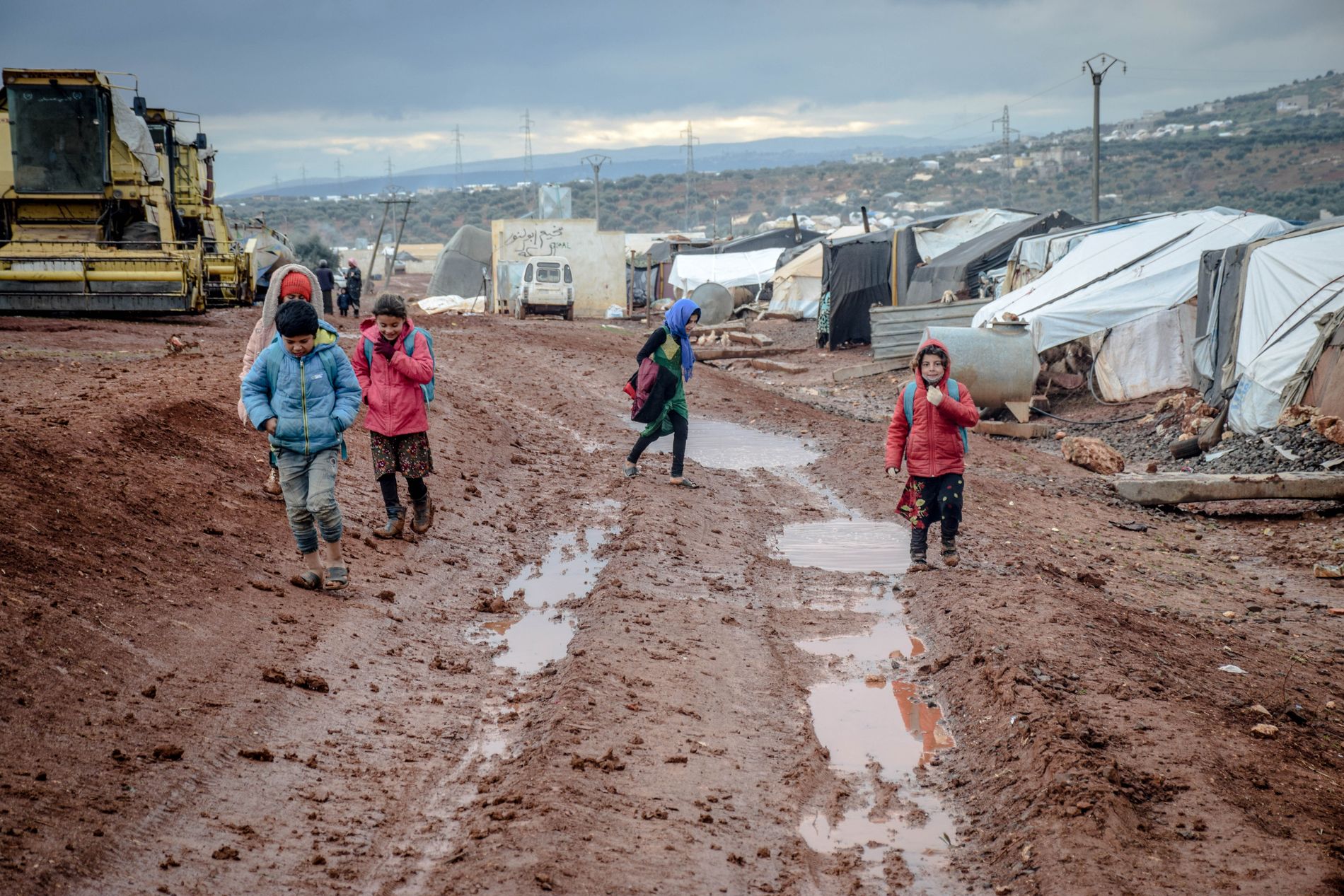
The agreement was signed in Pretoria in November 2022. The guns, for the most part, stopped. And then the hard, quieter work began.
The Tigray War, fought between the Ethiopian federal government, the Tigray People's Liberation Front and Eritrean forces, lasted roughly two years. The UN described it as one of the worst humanitarian crises of the early twenty-first century. Estimates of civilian deaths range from several hundred thousand to over half a million. Millions were displaced. Health infrastructure was systematically destroyed.
More than two years on from Pretoria, Tigray remains one of the most undercovered post-conflict situations in the world. International news cycles have largely moved elsewhere. But for the estimated 5.4 million people living in the region, the war's consequences remain immediate.
One place we see this is in healthcare facilities. Hospitals across Tigray were shelled or occupied by military forces during the conflict. Rebuilding these facilities takes far longer than the conflict took to damage them and financial commitments made in the immediate post-conflict period have not arrived at the speed the population needs.
Maternal mortality in the region surged during the war. Access to obstetric care remains critically limited in rural areas. Health workers describe a system held together by personal commitment, with supply chains that remain unreliable and salaries that arrive months late.
What Schooling Looks Like Now
UNICEF reported that at the peak of the crisis, more than 90% of schools in Tigray were non-functional. By late 2024, a significant number had reopened in some form. However, reopening can mean students gathering under a tree while reconstruction funds are awaited.
For children who were displaced the challenge extends beyond catching up academically. Many are returning to communities that look different from the ones they left. The social fabric that a school depends on is itself still recovering.
Teachers in Tigray have described the difficulty of addressing conflict-related trauma in students while carrying their own unprocessed grief. There is no clean line between teacher and survivor.
The Psychological Inheritance
Research on post-conflict mental health consistently finds that trauma does not resolve with the cessation of violence. Without targeted support, the psychological wounds of war pass between generations.
In Tigray, traditional community healing practices grounded in Orthodox Christian ritual and communal mourning have played a significant role in grief processing where formal mental health services cannot reach. These practices represent community-led resilience and they deserve recognition alongside, rather than as a substitute for, clinical support.
The children growing up in post-conflict Tigray are inheriting a landscape shaped by decisions they had no part in making. What they build from it will depend substantially on whether the region receives sustained, long-term investment, not the emergency funding that peaks in media cycles, but the less visible support that continues when the cameras have moved on.
Accountability and its absence
The Pretoria agreement brought a ceasefire, but accountability for atrocities committed during the war remains largely unaddressed. Reports from Amnesty International, Human Rights Watch and the Ethiopian Human Rights Commission have documented killings of civilians, sexual violence used as a weapon of war and the deliberate obstruction of food aid.
As of mid-2026, no international tribunal has been established. Survivors' organisations in Tigray have consistently called for an independent accountability mechanism. That call has not been answered.
For communities attempting to rebuild, the absence of accountability affects daily life. Whether it is safe to return to a home village. Whether the structures of community life can be reconstituted.
What Sustained Attention Looks Like
Earth Rooted designed its Tigray focus module specifically because this crisis has fallen below the threshold of consistent public attention. The sessions examine what recovery demands: time, resources, accountability and the sustained interest of people far from the region.